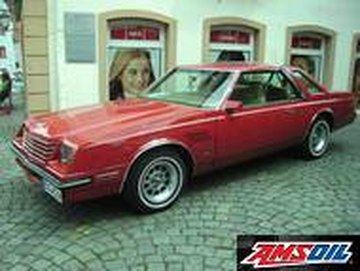
Maintaining Lubrication Standards for the 1981 Dodge MIRADA 5.2L
Proper engine care for a vehicle of this era requires a focus on consistent monitoring and adherence to specific fluid requirements. For owners of a 1981 Dodge MIRADA equipped with the 5.2L engine, maintaining the lubrication system is a fundamental aspect of long-term mechanical health. Because older engines can exhibit different behaviors regarding fluid retention and cleanliness compared to modern vehicles, a proactive approach to inspection and oil selection is highly beneficial.Monitoring Fluid Integrity and Potential Seepage
A primary component of routine maintenance involves regular visual inspections of the engine bay. For an engine from 1981, it is useful to look for any signs of fluid seepage or leakage around various sealing surfaces. While some level of minor weeping can occur as gaskets and seals age, significant wetness or active drips should be investigated promptly. When performing these checks, focus on the areas surrounding the engine block and the underside of the vehicle. If you notice dark staining or fresh fluid accumulating on the engine surfaces, it may indicate that a seal is no longer providing an effective barrier. Additionally, checking the condition of any visible hoses or electrical connections can provide a broader picture of the engine's current state. Ensuring that these components are secure and free from excessive degradation helps prevent secondary issues that could arise from fluid loss or electrical interference.Observing Changes in Engine Performance and Appearance
Beyond visual inspections for leaks, owners should remain attentive to how the vehicle operates during daily use. Changes in the way an engine sounds or behaves can often serve as early indicators that something requires attention. For example, unusual mechanical noises that were not previously present may warrant a closer look at the lubrication levels or the condition of the oil itself. It is also important to monitor for any changes in exhaust characteristics. While certain observations can be caused by many different factors, an unexpected change in exhaust color or odor should be treated as a reason to inspect the engine's health. Furthermore, if you notice that the vehicle requires more frequent top-offs of its fluids than it previously did, this is a clear signal to investigate potential causes, such as increased consumption or an undetected leak. Always remember that symptoms can have multiple origins, so professional diagnosis is often necessary when a change in behavior is detected.Prioritizing Maintenance Through Condition-Based Assessment
As vehicles age, the most effective way to manage maintenance is to prioritize tasks based on the actual condition of the machine rather than relying solely on chronological age. For a 1981 Dodge MIRADA, this means establishing a baseline of what "normal" looks like for your specific engine. If you do not have a complete service history, your first priority should be to document the current state of all fluids and major components. Once a baseline is established, maintenance efforts can be directed toward addressing active concerns first. This includes:- Investigating any active fluid leaks or seepage identified during inspections.
- Addressing any observed changes in lubricant color, consistency, or consumption rates.
- Reviewing available service records to identify any overdue maintenance tasks.
- Inspecting aging materials, such as belts (if equipped) or hoses, for signs of cracking or wear.
The Role of Clean Lubrication in Engine Longevity
Engine oil performs several vital roles that are essential for the continued operation of the 5.2L powerplant. Primarily, it provides a layer of protection between moving internal components to reduce friction. Beyond simple lubrication, the fluid also plays a role in managing heat within the engine environment and helping to carry away contaminants that can accumulate during the combustion process. Over time, even with regular changes, oil can begin to collect microscopic debris or undergo chemical changes due to heat and oxidation. This buildup can potentially lead to the formation of deposits or sludge if the oil is not replaced according to a consistent schedule. Maintaining clean, fresh lubricant ensures that the engine's internal components remain protected from excessive wear and that the fluid continues to perform its thermal management and cleaning functions effectively.Managing Maintenance Records for Long-Term Ownership
For owners looking to maintain the value and operational integrity of their 1981 Dodge MIRADA, keeping detailed records is a highly practical habit. A well-maintained logbook serves as more than just a history of past repairs; it acts as a diagnostic tool. By tracking when oil was changed, which products were used, and when specific inspections were performed, you can identify patterns that might otherwise go unnoticed. Consistent record-keeping allows you to:- Identify if the engine is consuming more oil over time, which helps in spotting gradual changes in mechanical health.
- Verify that all service intervals are being met according to your established maintenance schedule.
- Provide a clear history of repairs and part replacements, which is invaluable for both personal maintenance planning and future vehicle valuation.
Practical Guidance for Buying Engine Oil for the 1981 Dodge MIRADA 5.2L
When it is time to replenish your engine's lubrication, the most important step is to ensure that the product you select matches the specific requirements of your application. For this 1981 Dodge MIRADA with the 5.2L engine, do not rely on general automotive knowledge or assumptions based on the vehicle's age to determine which oil to use. Instead, match the engine oil to the application-specific viscosity and lubricant information already displayed on this webpage. Before making a purchase, carefully check the product labels to ensure they meet the necessary standards for your specific engine. You may encounter various options, including:- Conventional oils.
- Synthetic blends.
- Full synthetic formulations.
- High-mileage formulations, which some owners choose because they contain additives intended for use in aging engines.